DEHOGA Industry Day: Zöllick calls for a new direction in economic policy in a rousing speech
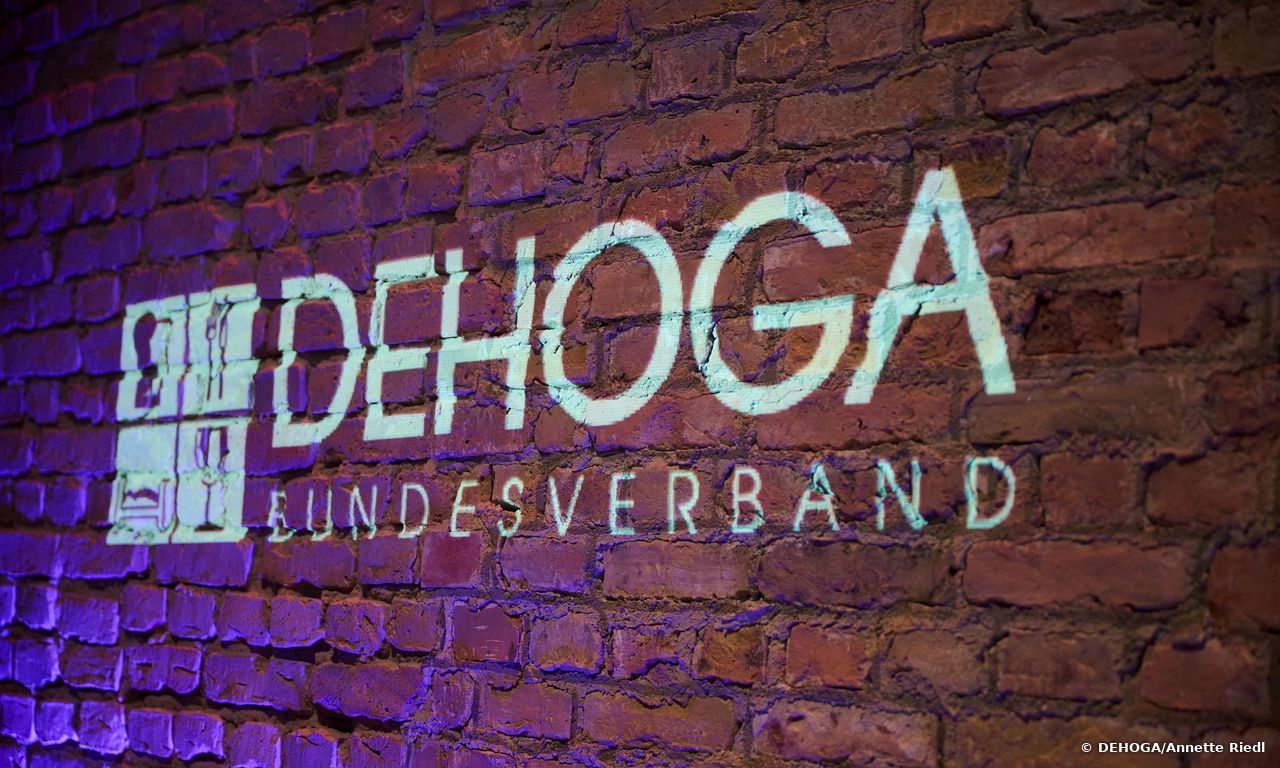
Berlin, 24 November 2026 – With a powerful appeal to politicians and clear calls for a new direction in economic policy, Guido Zöllick, President of the German Hotel and Catering Association (DEHOGA Bundesverband), opened the DEHOGA Industry Day 2026 on Tuesday at the BOLLE Festsäle in Berlin. Speaking before an audience of around 500 leading representatives from the hotel and catering sectors, politics and business, Zöllick called for mini-jobs to be protected from additional burdens, for weekly working hours to finally be permitted, and for businesses to be consistently relieved of red tape. “The time for announcements must be over. Now we need decisions! Now we need reforms! Now we need a genuine economic revival!”
Under the motto “Shaping the future today!”, the hospitality industry summit is entirely dedicated to the pressing economic and political challenges. The focus is on the competitiveness of businesses, the future of work, the reduction of red tape and the strengthening of Germany as a business location.
Serious economic situation – businesses need relief
The economic situation in the hospitality sector remains tense. From January to September 2026, real turnover fell by 3.4 per cent compared with the same period last year. At the same time, costs continue to rise. Labour costs alone have increased by around 45 per cent since the start of 2022, whilst food and drink prices have risen by around 30 per cent. Added to this are high energy, lease and insurance costs.
Zöllick warned of the consequences for businesses: more and more business owners are facing the question of how much longer they can remain viable under these conditions. This makes political decisions that enable investment, safeguard employment and create scope for entrepreneurship all the more urgent.
Preserving mini-jobs – finally allowing for a standard working week
The DEHOGA President was particularly clear on the planned additional burdens on mini-jobs. Employer contributions could rise from the current level of around 31 per cent to over 42 per cent. For the sector, which employs around 1.1 million people in mini-jobs, this would be a severe blow.
“Anyone who wants more work must not abolish mini-jobs or make them unattractive by imposing ever more levies!” emphasised Zöllick. For 95 per cent of mini-job holders, this employment is a source of supplementary income. The planned increase in costs would lead not to the creation, but to the loss of jobs.
Zöllick also strongly called for the long-overdue reform of the Working Hours Act. The switch from a daily to a weekly maximum working time is one of the federal government’s most important labour market policy initiatives, yet it remains unimplemented.
Yet the hospitality sector, in particular, needs greater flexibility – whilst, of course, ensuring that all protection standards for employees are upheld. “A wedding doesn’t run to the clock!” said Zöllick, summing up the challenges facing the sector.
Cutting red tape – preventing new taxes and levies
The DEHOGA President also called for faster progress in reducing red tape. Businesses needed fewer documentation requirements, less regulation and more trust in entrepreneurial activity. Zöllick clearly rejected any additional taxes and levies.
“We are entrepreneurs! We are hosts! We are enablers!”
To conclude his speech, Zöllick emphasised the economic and social significance of the hospitality sector. More than 206,000 businesses and over 2.2 million employees stand for quality of life, hospitality, integration and social cohesion. Restaurants, cafés, hotels and inns are far more than just commercial enterprises. They are places for people to meet, socialise and enjoy life. Openness to the world, freedom and tolerance are part of the sector’s DNA.
Zöllick concluded his speech with a powerful appeal to politicians and a confident commitment to the future:“A strong country can only exist with a strong economy.” The hospitality sector is ready to take on responsibility and shape the future. “We are entrepreneurs! We are hosts! We are enablers!” The sector now needs policies that will make this new beginning possible.
Leading politicians and prominent business figures at the DEHOGA Industry Day
Later in the day, high-profile representatives from the worlds of politics and business are expected to attend the DEHOGA Industry Day. Among the announced political guests are Nina Warken, Head of the Federal Chancellery; Alois Rainer, Federal Minister for Agriculture, Food and Regional Identity; Armand Zorn, Deputy Chair of the SPD parliamentary group in the Bundestag; Dr Christoph Ploß, the Federal Government’s Coordinator for the Maritime Economy and Tourism; Sandra Carstensen, rapporteur for the CDU/CSU parliamentary group in the Committee on Labour and Social Affairs, and Wolfgang Kubicki, Federal Chairman of the FDP.
Family entrepreneurs Katharina Hagleitner and Arthur E. Darbovenwill provide strong impetus from the business world . Insights from the world of business will be provided by Julia Barth from the Favorite Parkhotel, Lina Koch from Chefs Warehouse, Gabi Dreisbach from Zeller’s Quartier Hotel, and Gereon Haumann, President of DEHOGA Rhineland-Palatinate. TV journalist and presenter Ilka Groenewold will host the programme.
You might also like these articles
Join the community!
Subscribe to our eventletter for the latest news from the events industry.